
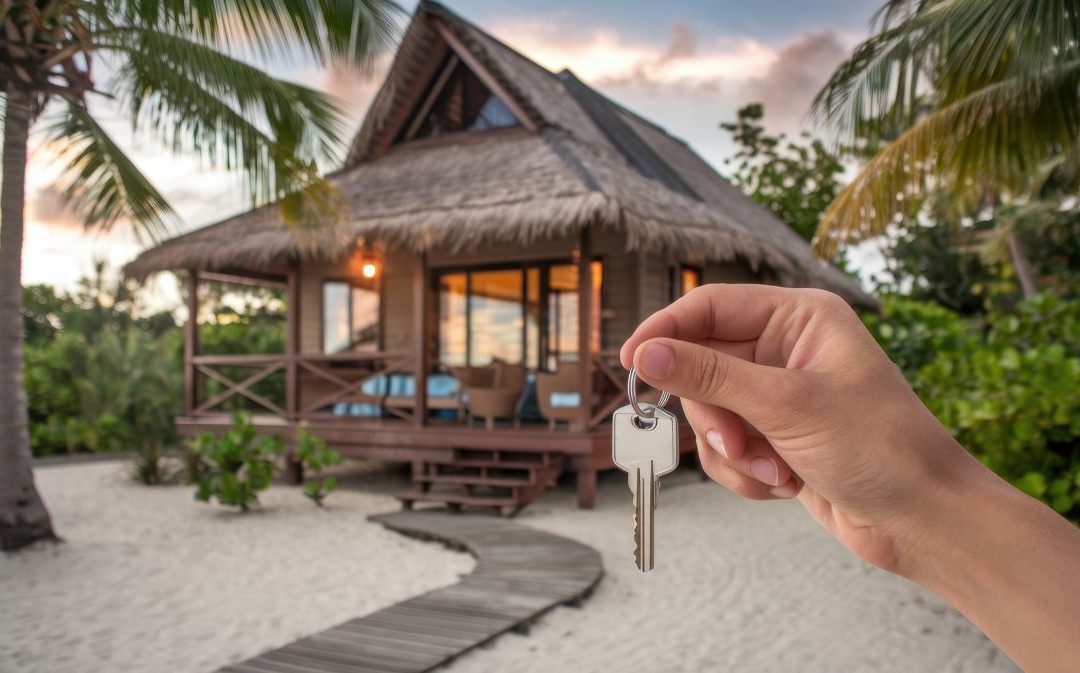
Staying in a holiday cottage or rental property is completely different from checking into a hotel. There’s no reception desk, no housekeeping service, and nobody to call if you can’t figure out how the heating works at 11pm. You’re staying in someone’s property – sometimes their actual home – and that comes with responsibilities hotels don’t require.
Most guests are brilliant and treat rentals with respect. But every property owner has horror stories about the guests who trashed the place, threw parties despite house rules, or left the property in such a state that cleaners needed extra hours to sort it out.
Being a good holiday rental guest isn’t complicated. It’s mostly common sense – treat the property like you’d want someone to treat yours, follow the rules you agreed to when booking, and communicate with your host when needed. Let’s break down the etiquette that keeps everyone happy.
Read the House Rules Before You Arrive
Every rental has house rules, usually sent in the booking confirmation or available in the property listing. These aren’t suggestions – they’re conditions you’ve agreed to by booking.
Rules typically cover check-in and check-out times, maximum occupancy, whether pets are allowed, smoking policies, noise restrictions, and parking arrangements. Some properties have specific rules about shoes indoors, use of certain amenities, or restrictions on parties and events.
Read these properly and make sure everyone in your group knows them. “I didn’t know” isn’t an excuse when you’ve been given the information in advance.
If rules seem unclear or don’t work for your situation, ask before booking rather than hoping you can ignore them once you’re there.
Arrive and Depart on Time
Check-in and check-out times exist for practical reasons. Cleaners need time between guests, and properties might have back-to-back bookings. Showing up three hours early or refusing to leave until late afternoon causes massive problems.
If you need early check-in or late checkout, ask in advance. Some hosts can accommodate this, but springing it on them on the day rarely works.
Similarly, if you’re running late for check-in, let your host know. They might be waiting around to give you keys or show you around the property.
Treat the Property With Respect
This seems obvious, but treat everything like you’d want your own belongings treated. Don’t put glasses directly on wooden surfaces without coasters. Use chopping boards rather than cutting on countertops. Don’t drag furniture across floors.
If something breaks or gets damaged, own up immediately. Accidents happen, and most hosts are understanding if you’re honest. Trying to hide damage or blame it on “it was already broken” is poor form and often obvious.
Clean up spills promptly. Don’t leave red wine stains on cream carpets overnight hoping they’ll magically disappear.
Follow Occupancy Limits
If the property sleeps four, don’t invite six friends to stay. Occupancy limits aren’t arbitrary – they’re based on insurance, wear and tear, and sometimes legal restrictions.
Having visitors during the day is usually fine, but overnight guests beyond the stated capacity violate your rental agreement and can result in immediate eviction or loss of deposit.
Respect Noise Restrictions
Holiday cottages are often in residential areas where your noise affects actual residents living nearby. Blasting music at midnight or having loud conversations in the garden at 2am makes you terrible neighbours.
Most properties have quiet hours, typically from 10pm or 11pm onwards. Respect these even if you’re on holiday and feel like partying. The locals who live there year-round don’t appreciate being kept awake by inconsiderate holiday guests.
P.S. – if you’re specifically looking for places where you can relax without disturbing others, our luxury holiday accommodation near the coast offers more privacy than town-centre properties.
Manage Bins and Rubbish Properly
This is boring but important. Follow the property’s instructions for rubbish disposal. Some properties have specific bin days you need to know about. Others have recycling requirements.
Don’t leave bags of rubbish piled up inside or outside if bins are provided. Don’t dump your rubbish in neighbours’ bins because yours filled up.
If you’re generating unusual amounts of rubbish – say you’ve hosted a family gathering – arrange for extra bin collection rather than leaving overflow for the next guests or the cleaner to deal with.
Leave the Property Reasonably Clean
You’re not expected to deep-clean before checkout, but you should leave the place in reasonable condition. Wash and put away dishes, wipe down surfaces you’ve used, bag up rubbish, and do a quick tidy.
Don’t leave food everywhere, bins overflowing, or the place looking like a tornado hit it. The property should be in a state where the cleaner can do their job efficiently rather than spending hours on basic tidying that should’ve been your responsibility.
Strip beds only if specifically requested – many hosts prefer you don’t because they have specific laundering procedures.
Report Problems Immediately
If something’s broken, not working, or missing when you arrive, tell your host straight away. Waiting until checkout to mention that the oven didn’t work all week helps nobody.
Similarly, if something breaks during your stay or you discover an issue, report it promptly. Hosts can often fix problems quickly if they know about them, but they can’t help if you don’t tell them. That said, don’t try to fix things yourself unless you’re confident you won’t make it worse. A well-intentioned repair attempt can sometimes cause more damage than the original problem.
Respect Check-Out Procedures
Many properties have specific check-out instructions – where to leave keys, whether to turn off heating, how to secure doors and windows. Follow these exactly.
Don’t leave keys in random places because the designated spot seemed inconvenient. Don’t leave doors or windows unlocked because you’re running late.
If you can’t find check-out instructions, ask your host rather than guessing.
Don’t Smoke Indoors (Unless Explicitly Allowed)
Most properties are non-smoking, and smoking indoors when it’s prohibited is one of the worst things you can do. Smoke smell lingers for ages and requires professional cleaning to remove properly.
If you smoke, do it outside and dispose of butts properly. Don’t flick them into gardens or leave them scattered around outdoor areas.
Ask Before Bringing Pets
Even if the listing says “pets allowed,” confirm specifics with your host. Some properties allow small dogs but not large ones. Some permit one pet but not multiple. Some require additional cleaning fees.
Never bring pets to a property that doesn’t allow them, even if your dog is “really well-behaved.” Pet allergies affect subsequent guests, and pets can damage furnishings even when well-trained.
Be Considerate of Neighbours
Remember that holiday cottages often exist within communities of year-round residents. Don’t block driveways, don’t let your car alarm go off repeatedly, don’t let children run riot through neighbours’ gardens.
Be friendly if you encounter neighbours but respect their privacy. They’re not free tour guides or information services, though many are happy to chat if approached politely.
Communicate Respectfully With Your Host
Your host is providing a service, but they’re also a person with their own life. Don’t message at 3am about non-urgent matters. Don’t make unreasonable demands. Don’t expect instant responses to every query.
Be polite in all communications. Even if something’s gone wrong or you’re frustrated, staying civil gets better results than being rude or aggressive.
If you’ve followed relevant advice and chosen your accommodation wisely, most stays run smoothly without issues.
What If Things Go Wrong?
If there’s a genuine problem – the property isn’t as described, something major isn’t working, the place is unsafe or unhygienic – contact your host immediately and document issues with photos. You’ll want to give your host a reasonable opportunity to fix problems before escalating complaints, and most hosts want you to have a good stay and will work to resolve issues.
If your host is unresponsive or unwilling to address serious problems, contact the booking platform you used. They have processes for handling disputes.
The Bottom Line
Good holiday rental etiquette comes down to treating the property respectfully, following agreed rules, communicating clearly with your host, being considerate of neighbours, and leaving the place in reasonable condition.
Most of this is common sense and basic courtesy. The guests who follow these principles get great references, are welcomed back by hosts, and contribute to the positive holiday rental ecosystem. The ones who don’t often find themselves with poor reviews and difficulty booking decent properties in future.
It’s simple, really: treat the property like you’d want your own treated, and you’ll be absolutely fine.

Our Fact Checking Process
We prioritize accuracy and integrity in our content. Here's how we maintain high standards:
- Expert Review: All articles are reviewed by subject matter experts.
- Source Validation: Information is backed by credible, up-to-date sources.
- Transparency: We clearly cite references and disclose potential conflicts.
Your trust is important. Learn more about our Fact Checking process and editorial policy.
Our Review Board
Our content is carefully reviewed by experienced professionals to ensure accuracy and relevance.
- Qualified Experts: Each article is assessed by specialists with field-specific knowledge.
- Up-to-date Insights: We incorporate the latest research, trends, and standards.
- Commitment to Quality: Reviewers ensure clarity, correctness, and completeness.
Look for the expert-reviewed label to read content you can trust.
