

Holiday rentals can be brilliant value compared to hotels, especially for families or groups. But they can also get expensive fast if you’re not strategic about when and how you book. The difference between savvy booking and just clicking the first decent-looking property can be hundreds of pounds.
The good news is that saving money on rentals doesn’t mean sacrificing quality or settling for dodgy properties in terrible locations. It’s about timing, knowing where to look, being flexible where it matters, and understanding how the rental market actually works.
Let’s break down practical ways to cut costs without compromising your holiday.
Book Well in Advance (or Very Last Minute)
The sweet spot for holiday rental pricing is typically 3-6 months ahead for popular destinations and peak season. Properties list at reasonable rates trying to fill their calendars early, and you’ve got maximum choice before the best places get snapped up.
Leave it until 6-8 weeks before and prices often increase as availability tightens, especially during school holidays when demand is massive.
But there’s another window: last-minute deals. Properties still empty a week or two before check-in sometimes drop prices significantly. Owners would rather get something than nothing, so they’ll discount heavily to fill those dates.
This only works if you’re flexible about dates and destinations. If you need specific dates or a specific location, last-minute booking is risky. But if you can be spontaneous, proper bargains exist.
Be Flexible With Dates
Travelling outside peak season saves enormous amounts. School holiday prices can be double off-peak rates for identical properties. If you don’t have school-age kids or can swing term-time breaks, you’ll save massively.
Even within peak season, specific weeks cost more than others. The middle two weeks of August are brutal for pricing. Early July or late August can be significantly cheaper whilst still offering decent weather. Because of Valentine’s Day, February is also super busy – so you’ll ideally want to book your romantic Dorset stays with spa features a few months before.
Weekday breaks (Sunday-Thursday) often cost less than weekend breaks, especially for properties that cater to weekend getaways. A Tuesday-Saturday stay might be cheaper than Friday-Monday for the same property.
Shoulder season (spring and autumn) offers brilliant value. Weather’s less guaranteed than summer, but prices drop dramatically and you avoid crowds.
Consider Location Carefully
Properties right in tourist hotspots or directly on beaches command premium prices. Move 10-15 minutes inland or slightly away from the main drag and prices often drop significantly whilst still keeping you close to everything.
This works particularly well if you’ve got a car. Being a short drive from the beach rather than a 30-second walk saves money without meaningfully affecting your holiday experience.
Research up-and-coming areas rather than established tourist centres. You’ll often find better value in places that are lovely but not yet “discovered” by mass tourism.
For families comparing different accommodation options and their relative costs, understanding the specific benefits of rentals helps you decide where to allocate budget.
Book Longer Stays
Many properties offer discounts for week-long or longer bookings. The nightly rate for a 7-night stay is often cheaper than booking 7 separate nights.
Some owners discount heavily for 2+ week bookings because it means less turnover, less cleaning, and more guaranteed income. If you’ve got the time, extending your stay can reduce per-night costs significantly.
Monthly rates (when offered) are usually the best value of all. If you can work remotely or fancy a long break, month-long rentals often work out cheaper per week than short stays.
Use Multiple Booking Platforms
Don’t just check one site and assume that’s the market rate. The same property often appears on multiple platforms at different prices.
Airbnb, Vrbo, Booking.com, direct rental sites – check several. Some properties list lower prices on their own websites because they’re not paying platform commission.
Contacting owners directly (when contact details are available) sometimes gets you better rates. They might be willing to discount slightly to avoid platform fees, though this loses you the platform’s booking protection.
Negotiate (Politely)
For direct bookings or properties that have been listed for ages without bookings, polite negotiation sometimes works. Don’t be aggressive or insulting about it – just ask if there’s any flexibility on price.
This works best for last-minute bookings, long stays, or off-peak periods. Owners are often open to negotiation rather than having the property sit empty.
Phrase it as “I’m really interested in your property – is there any flexibility on the rate for these dates?” rather than demanding discounts.
Look for Properties With Free Amenities
Some costs you’d normally pay separately are included in certain rentals. Properties with free parking save you daily parking charges. Places with washing machines mean you can pack lighter and avoid laundromat costs.
Full kitchens let you cook rather than eating out for every meal. If you’re feeding a family, this alone can save hundreds over a week.
Properties with Wi-Fi included save you buying local data packages. Those with provided toiletries or basics like tea/coffee reduce what you need to bring or buy.
For those seeking specific features without paying resort prices, options like properties offering spa-style amenities can provide luxury touches without the luxury price tag.
Consider Slightly Smaller Properties
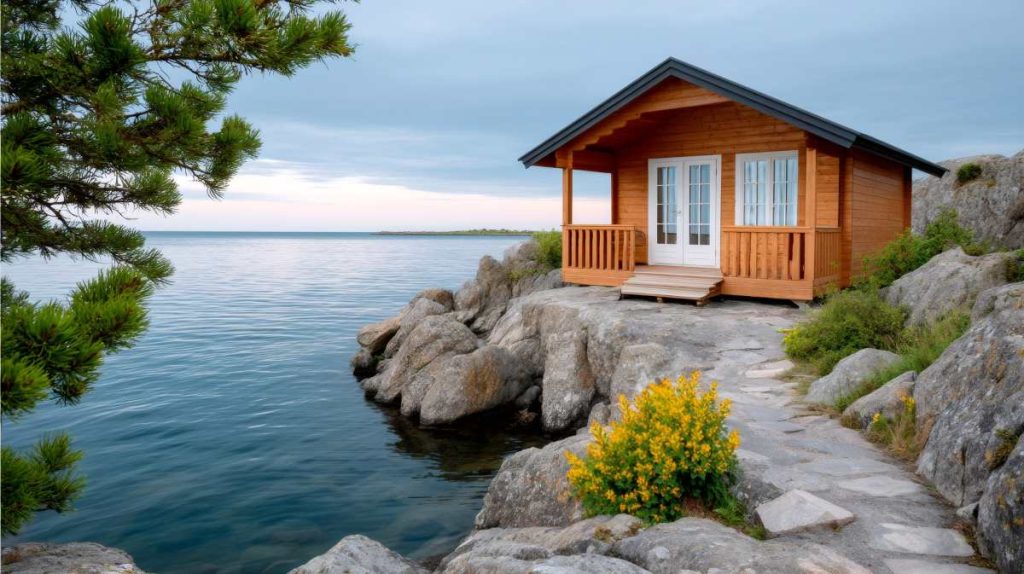
Be honest about space needs. If it’s just you and a partner, do you actually need a 3-bedroom cottage, or would a 1-bedroom place work fine whilst costing significantly less?
Groups can save by going slightly smaller if you’re out exploring most of the day anyway. You’re sleeping and showering there, not living indoors 24/7.
That said, don’t go so small that you’re miserable. Being cramped and uncomfortable isn’t worth the savings. But many people over-estimate space requirements and pay for square footage they don’t use.
Avoid Peak Season Premiums
This is worth repeating because it’s the single biggest factor in rental costs. July-August (especially school holidays), Christmas, New Year, Easter – these periods command 50-100% premiums over off-peak rates.
If you have any flexibility whatsoever, avoiding these periods saves enormous amounts. September can be beautiful in many destinations whilst costing half of August rates.
Split Costs With Friends or Family
Holiday rentals work brilliantly for groups because costs split between multiple families or couples.
Renting a large property between two families often costs each family less than separate hotel rooms whilst giving you way more space, shared facilities, and the ability to eat together.
Make sure you’re compatible travel companions and agree on cost-splitting arrangements upfront, but when it works, group rentals offer excellent value.
Check for Hidden Fees Before Booking
Some properties look cheap until you add cleaning fees, service charges, booking fees, and tourist taxes. The advertised nightly rate is only part of the total cost.
Always check the final price including all fees before committing. Sometimes a slightly more expensive nightly rate with minimal fees works out cheaper overall than a “bargain” rate loaded with charges.
Be particularly wary of expensive cleaning fees on short stays. A £100 cleaning fee on a 2-night stay massively inflates the effective nightly cost. That same fee on a week-long stay is more reasonable.
Use Discount Codes and Loyalty Programmes
Many booking platforms run promotions or offer codes for first-time users, app bookings, or specific properties. Search for current codes before booking.
Some platforms have loyalty programmes offering discounts or credits for repeat bookings. If you rent regularly, this can add up.
Credit card rewards or cashback sites sometimes offer additional savings on accommodation bookings. It’s not huge, but every bit helps.
Book Refundable Where Possible
If you might need to cancel or change dates, paying a bit more for refundable booking can save you losing entire deposits.
Alternatively, comprehensive travel insurance that covers cancellation can protect you whilst letting you book cheaper non-refundable rates. Do the maths on which works out better for your situation.
The Bottom Line
Saving money on vacation rentals comes down to timing (book early or last-minute, avoid peak season), flexibility (dates, locations, property size), using multiple platforms to compare prices, considering the total cost including fees, and being strategic about amenities that save you money elsewhere.
The biggest savings come from peak season avoidance and booking timing. Get those right and you’ll save hundreds compared to booking randomly whenever you feel like it.
But don’t be so focused on saving money that you compromise on location, safety, or quality to the point where your holiday suffers. The goal is value – getting a great holiday for reasonable cost – not just the absolute cheapest option regardless of quality.

Our Fact Checking Process
We prioritize accuracy and integrity in our content. Here's how we maintain high standards:
- Expert Review: All articles are reviewed by subject matter experts.
- Source Validation: Information is backed by credible, up-to-date sources.
- Transparency: We clearly cite references and disclose potential conflicts.
Your trust is important. Learn more about our Fact Checking process and editorial policy.
Our Review Board
Our content is carefully reviewed by experienced professionals to ensure accuracy and relevance.
- Qualified Experts: Each article is assessed by specialists with field-specific knowledge.
- Up-to-date Insights: We incorporate the latest research, trends, and standards.
- Commitment to Quality: Reviewers ensure clarity, correctness, and completeness.
Look for the expert-reviewed label to read content you can trust.
